
Where a child is born may shape their beginning, but quality education gives them the power to shape what comes next.
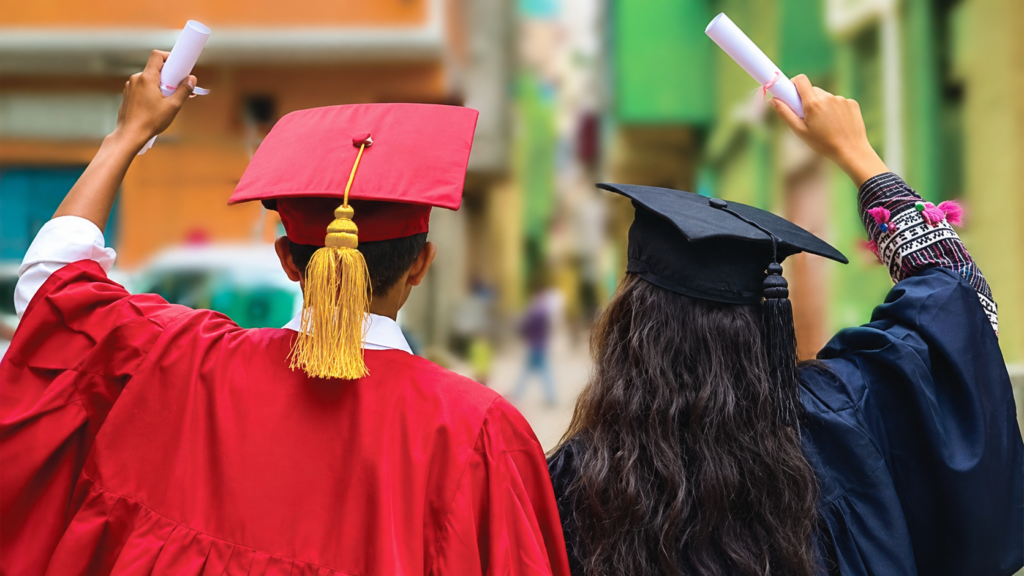
A school can change a child’s timetable without changing their life. Quality education changes both.
The real value of child education is not found in how much information a child can repeat. It is found in what that child can do with knowledge: understand a problem, express an idea, make a decision, recognise danger, imagine a possibility, and take responsibility for a choice.
When education is reduced to attendance, textbooks, and examination scores, children may move from one grade to the next without gaining the skills they need for life. Quality child education asks a harder question: Is this child becoming more able to understand the world and participate in it?
Why Quality Education Matters
For a child growing up with limited resources, every meaningful learning experience can open a door. Reading creates access to information. Communication gives a child the ability to ask for help and present an idea. Mathematics supports everyday decisions. Digital skills connect young people with opportunities beyond their immediate surroundings.
A child who is afraid of humiliation will avoid taking risks. A child who expects punishment for every mistake may learn to remain silent. A child who feels invisible may stop believing that effort matters. This is why emotional safety is not separate from education; it is one of the conditions that makes learning possible.
At Kiran Foundation, this understanding is central to Pakistan’s first Trauma-Informed Mother and Child School System. Since 2006, our work has shown that children learn more openly when adults seek to understand behaviour, create predictable boundaries, and build relationships based on dignity.
Teachers Make Quality Visible
Quality education becomes real through teachers. A capable teacher does not simply deliver a lesson; they notice who is following, who is confused, who has withdrawn, and who needs a different explanation.
They create room for questions. They connect learning with daily life. They help children experience correction without shame and discipline without rejection. They understand that one caring adult can change how a child sees school – and sometimes how that child sees themselves.
Teachers also need support. Training, reflection, mentoring, and practical resources allow them to respond to the academic and emotional needs in their classrooms. Expecting better outcomes without investing in teachers leaves the most important part of the learning system unsupported.
Education Beyond the Classroom
The world children are entering will demand more than memorised answers. They will need to evaluate information, work with people who think differently, adapt to new tools, communicate clearly, and solve problems that do not come with instructions.
This is why reading, arts, sports, STEM, leadership, practical projects, and discussion all belong within meaningful education. These experiences reveal abilities that a written examination may never show. They also teach patience, cooperation, judgment, and responsibility.
When parents are treated only as people who receive instructions, schools lose valuable knowledge about the child. When mothers are supported to learn, build confidence, develop skills, and speak about their concerns, the effect reaches the home and the classroom.Community empowerment gives people an active role in the progress they want to see. It recognises that local residents are not empty spaces waiting to be fixed. They carry experience, talent, leadership, and solutions.
Sustainable change becomes more likely when families help shape decisions and young people have meaningful ways to contribute.
An NGO can bring resources, partnerships, teacher development, scholarships, mental health support, enrichment programmes, and new approaches into communities. It can draw attention to needs that are overlooked and create models that others can learn from.
But responsible work is not about arriving with ready-made answers. It begins with listening. It protects dignity. It measures whether children are actually learning and whether families feel respected. It builds local capacity instead of creating long-term dependence.
Quality Education Is a Commitment
At Kiran Foundation, we believe every child deserves more than a seat in a classroom. Every child deserves a safe, supportive, and joyful place where knowledge becomes confidence, relationships protect dignity, and learning creates real choices.
You can take part by sponsoring a child’s education, volunteering your expertise, supporting a programme, partnering with our work, or helping more people understand what quality learning truly requires.
The future does not improve by chance. It changes when a child receives the education, care, and opportunity to shape it.
Envisioning a Compassionate Society